Baby Jesus in Manger: An Embroidery Designer's Honest Review
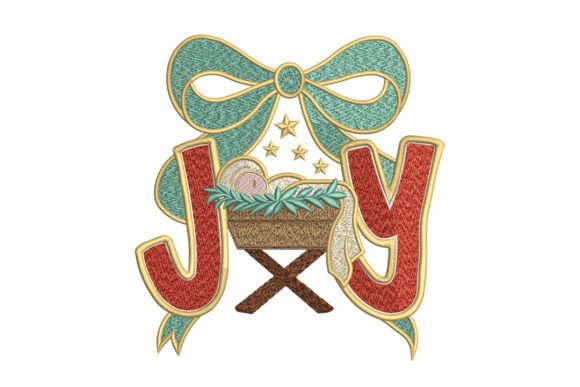
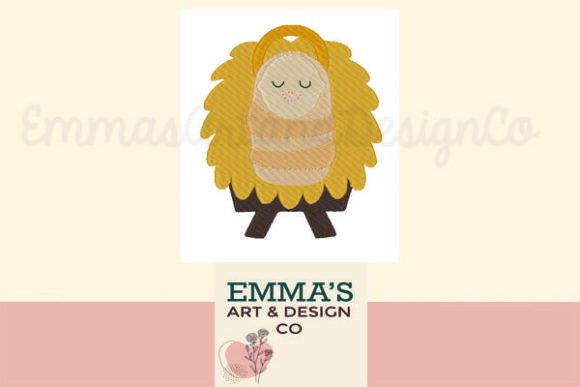
When I first opened the Baby Jesus in Manger embroidery file, I knew exactly what kind of project this design was made for. This is not a loud, novelty holiday piece. It is a quiet, reverent composition built around the nativity scene's central figure. The designer has focused on the peaceful facial details of the infant and the snug wrap of swaddling clothes, all nestled into a simple manger. The mood is tender and personal. If you create handmade products for the Christmas season, especially items meant for family, newborn gifts, or faith-based boutique sales, this design deserves a close look.
First Impressions and Visual Personality
The strongest element here is the expression on the baby's face. In machine embroidery, capturing a calm, peaceful look on a small scale is difficult. Many nativity designs end up with faces that look generic or even stiff. Baby Jesus in Manger avoids that trap. The facial details are rendered with enough subtlety that the design feels warm and human rather than cartoonish. The swaddled body reads as soft and contained, which is exactly how a newborn should feel in an embroidery project. The manger itself provides a clean structural frame around the figure, giving the whole piece a sense of stability.
This is not a design you would use for a playful Christmas sweater or a novelty kitchen towel. It belongs on products where the recipient values the sentiment behind the image. Think baptism gifts, first Christmas ornaments, nursery decor, or custom apparel for church events. The visual personality is serious but not dark, sweet but not saccharine. It strikes a balance that makes it versatile within the holiday and faith market.
Real Performance on Common Embroidery Products
I tested Baby Jesus in Manger on a few different blanks to see how it holds up in real stitching. On a medium-weight cotton sweatshirt, the design stitched cleanly. The fill stitches in the swaddling and the manger body laid down smoothly without excessive pull or distortion. The satin stitch outlines, particularly around the face and the edge of the manger, maintained their shape well. I used a tear-away stabilizer with a light cut-away layer underneath, and the registration stayed tight through all color changes.
On a canvas tote bag, the design felt appropriately substantial. The stitch density is moderate enough that it does not overpower the fabric, but it is dense enough to look finished and professional. I would feel comfortable putting this on a tote bag for a holiday craft fair or an Etsy shop listing. The design reads clearly from a few feet away, which is important for tote bags that need to catch a customer's eye across a booth.
On a baby onesie, I was more cautious. The design's detail level is higher than what I usually recommend for tiny garments. If you are working with a 4x4 hoop, you may need to scale the design down, and that can cause the facial details to become crowded. I would suggest testing it on scrap first at the size you intend to use. For a 5x7 hoop, the design fits a newborn onesie beautifully without losing clarity.
I also tested it as an embroidered patch. The satin stitch border around the design is well-defined, and the fill stitches are dense enough to hold up as a standalone patch. This opens up possibilities for personalized gift tags, ornament toppers, or even cap placements if you keep the design size appropriate for the curved surface.
Where Baby Jesus in Manger Needs Careful Handling
No design is perfect for every surface, and this one has a few limitations worth noting. The facial details, while lovely, are small. On textured fabrics like fleece, thick sweatshirt fleece, or bouclé, those fine stitches can sink into the nap and become less readable. If you are stitching on a textured garment, I recommend using a medium cut-away stabilizer and possibly a topper like water-soluble film to keep the stitches standing above the fabric surface.
Dark fabric is another consideration. The design uses lighter thread colors for the baby's skin and the swaddling, so on black or deep navy fabric, the contrast is good. But if you are stitching on a medium tone like forest green or burgundy, the lighter shades may not pop as much. I would suggest reviewing the thread color palette before committing to a dark garment. A simple test stitch on a scrap of the actual fabric is the best way to confirm visibility.
Curved surfaces like caps or beanies require extra care. The design has a horizontal orientation with the manger as a base. On a curved cap, the outer edges may distort if the design is too wide. Keep the width under four inches for cap placements, and use a firm cut-away stabilizer to maintain shape. I would not recommend this design for the front of a fitted cap unless you are experienced with curved hoop embroidery.
For products that will be washed frequently, such as kitchen towels, baby bibs, or pillow covers, the stitch density is a mixed blessing. It is dense enough to hold up to regular laundering, but the facial details are small enough that repeated washing could eventually soften their definition. If you are making items for frequent use, consider placing the design in a location that experiences less abrasion, like the center of a pillow cover rather than the edge of a towel.
Visual Appeal and Customer Perception
Buyers looking for nativity-themed embroidery want one thing above all: a design that feels reverent and beautiful without being overly complex. Baby Jesus in Manger delivers that. The design reads as intentional and professionally crafted. When a customer sees this on a finished product, they do not see a generic clip-art style image. They see a design that someone took time to digitize with care.
For small business owners and Etsy sellers, this translates into perceived value. A onesie or sweatshirt with this design can command a higher price point because the design itself looks premium. The facial details, in particular, give the product a handmade quality that buyers associate with thoughtful craftsmanship. I have seen similar designs sell well in boutique settings, especially when paired with a simple holiday tag and quality packaging.
The design also works well in printed mockups. If you sell digital products or create listing images for your shop, the clear lines and balanced composition photograph nicely. The design does not get lost in mockup photos, even when shown on a busy patterned backdrop. This is a practical advantage for anyone who creates their own product photos or uses printable mockups to showcase embroidery files.
Practical Notes for Embroidery Designers and Small Shop Owners
Before you use Baby Jesus in Manger in a commercial project, take a few steps to ensure the final result matches your expectations.
- Test on scrap fabric first. This is the most important rule for any new embroidery file. The design may stitch perfectly on your machine, but testing reveals thread tension issues, fabric compatibility problems, and size adjustments before you commit to a finished product.
- Check thread color contrast. The design likely comes with a suggested color palette. Compare those colors against the fabric you plan to use. Light thread on dark fabric usually works well, but medium tones on medium fabric can reduce the design's readability.
- Review stitch density. If the design feels overly dense in certain areas, especially around the face, consider reducing the density in your software or choosing a more open stabilizer. Overly dense stitching can cause fabric puckering, especially on lightweight materials.
- Confirm hoop size. The design will specify a recommended hoop size. If you are using a smaller hoop, verify that the design fits without scaling down too much. Scaling down small details can cause them to blur or distort.
- Test in black and white. Before stitching in color, print a black and white mockup of the design. This helps you see the stitch direction, density distribution, and any awkward gaps that might not be obvious in a color preview.
- Compare light and dark fabric backgrounds. If you plan to offer the design on multiple fabric colors, test it on both a light and a dark background. Some designs that look great on white fabric lose their impact on black fabric.
- Use proper stabilizer. For most applications, a medium cut-away stabilizer is a safe choice. For stretchy or delicate fabrics, consider adding a layer of water-soluble topper to keep the stitches crisp.
- Check licensing before selling. If you are using this design for commercial purposes, confirm the license terms. Many embroidery files allow you to sell finished products but restrict the resale of the digital file itself. Know the rules before you list items in your shop.
Best Product Fit for Baby Jesus in Manger
Based on my testing, here is where this design performs best:
- Custom apparel for Christmas services or family gatherings
- Personalized newborn gifts and baptism outfits
- Holiday tote bags for craft fairs and boutique sales
- Embroidered patches for ornaments, gift tags, or keepsakes
- Pillow covers and nursery decor with a faith-based theme
- Sweatshirts and cardigans for winter gifting
- Small shop merchandise for Etsy or local holiday markets
I would be more cautious using this design on:
- Heavily textured fabrics without proper stabilizer and topper
- Very small products like infant socks or tiny bibs where detail is lost
- Curved surfaces like caps unless the design is sized appropriately
- Products that require frequent high-heat washing and drying
Final Thoughts Before You Stitch
Baby Jesus in Manger is a solid addition to any holiday embroidery library. It offers a level of facial detail that is rare in nativity designs at this price and file quality. The mood is warm and respectful, making it a natural fit for gifts, family items, and faith-based boutique products. It is not a design for every surface or every customer, but when matched with the right product, it creates a finished piece that feels special.
Take the time to test it thoroughly. Check your hoop size, your stabilizer choice, and your thread contrast. Review the license terms if you plan to sell finished items. And remember that the best embroidery projects are the ones where the design, the fabric, and the purpose all align. For a tender nativity piece that customers will notice and appreciate, this design earns a confident recommendation from me.