Christian Fish Embroidery Design: Craft Fair Review
Setting up a weekend craft fair booth means making every product earn its place on the table. As an embroidery designer who has tested hundreds of machine embroidery designs for real-world selling, I have learned that a design needs to do more than stitch cleanly. It needs to catch a browsers eye, communicate its message instantly, and feel like something a customer would actually carry home. The Christian Fish Embroidery Design caught my attention because it promises elegance and simplicity in a symbol that many shoppers already know. After stitching it out on several products and thinking through how it would perform at a busy market, I want to share what works, what needs attention, and how this design fits into a craft fair product lineup.
First Impressions of the Christian Fish Embroidery Design
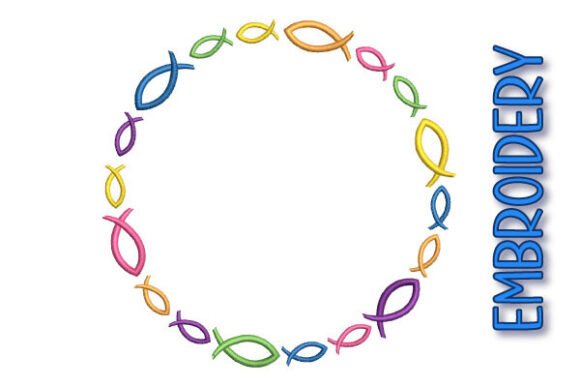
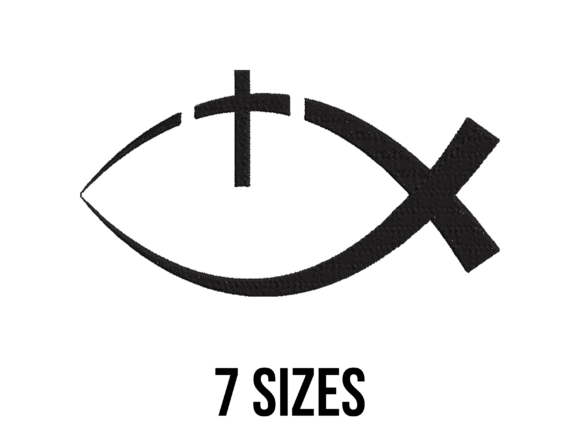
Opening this embroidery file, the first thing I noticed is the clean silhouette. The Ichthys fish with the cross detail is instantly recognizable, and the proportions feel balanced without being fussy. This is not a dense, heavily detailed design that demands close inspection. It reads as elegant and understated, which gives it a broad appeal for handmade product buyers. For a craft fair booth, that first glance matters. A customer walking past a table full of embroidered tote bags and tea towels will register this design as meaningful without needing to stop and decipher small text or complicated shapes. The mood is reverent but not heavy, and the simplicity makes it versatile for both modern and farmhouse style booth displays.
How This Design Performs on Real Craft Fair Products
I tested the Christian Fish Embroidery Design across several products that I regularly bring to markets, because a design that works on one surface can fail on another. Here is what I found for each product type.
Tote Bags and Market Bags
This is where the design shines. On a mid-weight cotton tote bag, the Ichthys fish with the cross detail sits beautifully as a centered focal point or a subtle accent near the top edge. The open areas in the design keep the stitch count reasonable, so the bag does not pucker or feel stiff. For a craft fair seller, a tote bag with this embroidery feels like a reliable seller. It is practical, giftable, and the faith message connects with customers looking for meaningful everyday items. I would recommend placing it at a medium scale so the fish shape is visible from a few feet away on a booth table.
Aprons and Tea Towels
Aprons embroidered with the Christian Fish Embroidery Design have a natural home in church craft fairs or holiday markets. The design fits well on the front pocket area or centered on the bib. On tea towels, the simplicity works as a small accent near the hem or as a larger statement piece. Because the design does not rely on tiny details or thin lines, it holds up well on textured towel fabric. I did notice that on a looped terry towel, the cross detail needs good thread contrast to stay crisp. A white or gold thread on a dark towel reads beautifully. A light thread on a white towel loses the subtle cross lines, so check your fabric color before production.
Embroidered Patches and Fabric Pouches
Patches are a low-cost, high-margin product for any craft fair table. This design digitizes well as a patch because the solid areas stitch out cleanly and the edges can be trimmed without losing shape. I would add a satin stitch border for a finished look. Fabric pouches, zip pouches, and small gift bags also work well with this design. The scale can be reduced for smaller formats, but I recommend testing at 75 percent or larger to keep the cross detail readable. At very small sizes, the cross lines may blur together, especially on dark or textured fabric.
Caps and Pillow Covers
Curved cap surfaces require a design that does not distort, and the Christian Fish Embroidery Design handles this surprisingly well. The fish shape follows the curve naturally, and the open interior prevents the design from becoming too dense on the cap front. For pillow covers, this design works as a centered motif or a repeated accent on a set of throw pillows. A booth display with matching pillow covers and a tote bag creates a cohesive look that customers notice. The consistency helps build brand recognition for your small shop product line.
Practical Selling Points for Your Booth
Having stitched this design and thought through the customer journey at a market, I see several practical reasons to include it in your product lineup.
The design is easy to understand at a glance. A shopper does not need to read a sign or ask a question to recognize the fish symbol. That instant recognition lowers the barrier to purchase, especially for gift buyers who want something meaningful but do not have time for a long explanation. The design works well as a small accent on items like kitchen towels or notebook covers, and it also holds its own as a large focal design on a tote bag or apron. This flexibility means you can offer the same design at multiple price points using different base products.
Photographing this embroidery for online listings is straightforward. The clean outlines and open spaces show up well in natural light, and the design does not rely on shine or metallic thread to look finished. An Etsy seller can shoot a tote bag with this design on a neutral background and the message is clear. For printable mockup assets, the simple shape layers easily onto product photos without looking busy. This saves time when building digital listings for your shop.
Repeatability matters for batch production. If you are stitching twenty tea towels for a single weekend market, you need a design that sews consistently and does not cause thread breaks or trimming delays. The Christian Fish Embroidery Design stitches out smoothly with minimal stops. The thread changes are logical, and the design does not have unnecessary jumps or trims. This makes it a strong choice for production runs where time is money.
Production Notes Every Embroiderer Should Check
Every embroidery file has details that can cause trouble if ignored. Here are the areas I recommend checking before you commit to a full batch of finished products.
Stitch Density and Tiny Details
The description calls the design simple and meaningful, and that simplicity is an advantage. However, even a well-digitized design can have areas of higher density near the cross detail or at the fish tail junction. I suggest running a test stitch on scrap fabric that matches your intended product material. Check whether the cross lines are distinct or if they blur into a solid block at smaller sizes. If the design includes small lettering or a thin cross element, test it at your planned hoop size before cutting fabric for twenty pieces.
Thread Contrast and Dark Fabric
This design relies on the contrast between the fish shape and the background. On dark fabric, choose a thread color that pops clearly. White, gold, silver, or even a bright pastel can work depending on your booth theme. On light fabric, check that the cross detail does not disappear into the background. A medium gray or navy thread on a cream towel can look elegant, but the same thread on a white towel may read as too soft. Always stitch one sample and view it under natural booth lighting before producing in volume.
Hoop Size and Stabilizer Choice
Confirm the hoop size required for this embroidery file before planning your product layout. A smaller hoop works well for patches, caps, and small pouches, while a larger hoop opens up tote bags and pillow covers. Use a cutaway stabilizer for stretchy fabrics like knit caps or towel edges, and a tearaway stabilizer for woven cotton tote bags and aprons. The design does not have excessive density, so a medium weight stabilizer should be sufficient for most applications. Test on your actual fabric to confirm.
Commercial Licensing
Before stitching any finished product intended for sale, check the commercial licensing terms that come with the Christian Fish Embroidery Design. Some embroidery files allow unlimited commercial use, while others require a separate license or restrict the number of finished items you can sell. This is a standard step for any digital embroidery file used in a handmade business, and it protects both you and the designer. If the product page does not clearly state the license terms, contact the seller before producing items for your craft fair booth or Etsy listings.
Why This Design Builds Brand Consistency
A craft fair booth that looks cohesive sells more products. When I think about designing a table display around the Christian Fish Embroidery Design, I imagine a set of items that share the same motif across different product categories. A tote bag, an apron, a set of tea towels, and a few small pouches all featuring the same clean fish symbol create a visual rhythm that draws customers in. The design does not compete with itself, so a booth can carry multiple items without looking cluttered. For an Etsy seller or boutique maker, this consistency builds a recognizable product line that customers remember and return to.
The design also works for church craft fairs, holiday markets, and faith-based boutique events. Because the symbol is widely recognized, it appeals to buyers looking for gifts for family members, church volunteers, or personal items that reflect their beliefs. The elegant and minimal style means the products do not feel overly promotional or loud. They feel like quality handmade goods that happen to carry a meaningful design.
Final Verdict for Craft Fair Sellers
After testing the Christian Fish Embroidery Design on multiple products and thinking through the realities of booth display, batch production, and customer attention, I consider this a solid addition to any handmade product lineup that targets faith-conscious buyers. It performs well on tote bags, aprons, tea towels, patches, caps, and pillow covers. It photographs clearly for online listings, stitches out reliably for batch work, and offers enough size flexibility to fit small pouches or large market bags. The few cautions around stitch density, thread contrast, and licensing are standard for any embroidery file and can be managed with a single test stitch.
For a craft fair seller looking to offer meaningful, well-executed embroidery products without overcomplicating their booth, this design delivers. It brings an elegant faith symbol into a practical format that customers can use every day. That is the kind of product that sells itself when someone stops at your table and picks up a tote bag with a smile. I would recommend adding it to your rotation, stitching a few samples in different thread colors, and seeing which product format gets the most attention at your next market.