Cross Stitch Pattern PDF Jesus Christ Review for Craft Fair Sellers
When you are preparing a craft fair booth, every design you choose to stitch, embroider, or print carries weight. Customers make split-second decisions based on what catches their eye from across the table. As a professional embroidery designer who has tested hundreds of patterns for handmade market products, I want to share my candid review of Cross Stitch Pattern PDF Jesus Christ. This full coverage cross stitch pattern is designed for experienced stitchers, and it brings a distinct presence that deserves careful consideration before you invest time and materials.
First Impressions and Visual Mood
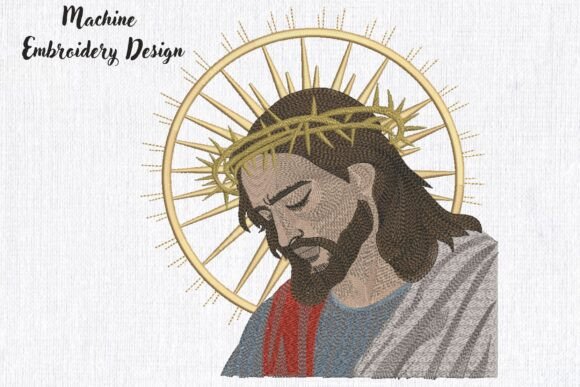
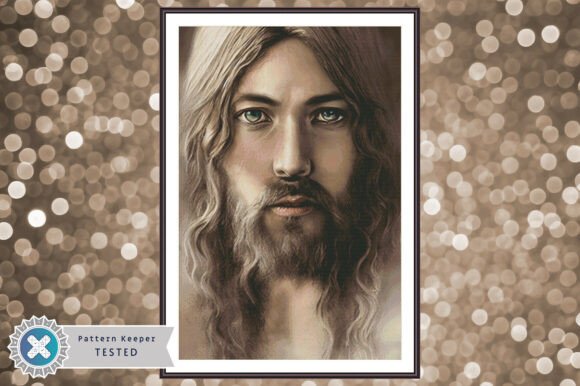
The first thing I noticed about Cross Stitch Pattern PDF Jesus Christ is its sense of reverence and bold detail. The title alone signals a design that carries emotional weight. This is not a whimsical or farmhouse style piece. It feels premium, dignified, and deeply decorative. The full coverage nature of the pattern means you are committing to a substantial project, but the payoff is a finished product that commands attention. For a craft fair booth, this design can anchor your display and attract customers who appreciate detailed religious art.
How This Pattern Performs on Handmade Products
I evaluated Cross Stitch Pattern PDF Jesus Christ across several product categories that typically sell well at weekend markets. Here is how it holds up in each scenario.
Tote Bags and Market Bags
A full coverage design of this size works beautifully on a large tote bag. The stitch count of 240 by 360 stitches creates a substantial focal area. On 14 count fabric, the finished size is approximately 17 by 26 inches, which fits naturally on the front panel of a sturdy canvas tote. Customers will notice the detail from several feet away. The thread count of 47 DMC colors allows for rich shading and depth, giving the piece a painterly quality. I recommend testing the design on a scrap fabric first to confirm the thread contrast against your bag material. Dark fabric may require a lighter background stitch area to keep the face visible.
Apron Embroidery
Aprons are a staple at handmade markets, and Cross Stitch Pattern PDF Jesus Christ can elevate a simple apron into a statement piece. However, because this is a full coverage pattern, you must consider the stitch density. Dense stitch areas can make the fabric stiff. For an apron that needs to drape and move, I suggest using a lighter weight fabric or reducing the pattern size if your machine embroidery software allows scaling. Always check your hoop size before starting. A design this large requires a hoop that can accommodate the full stitch field without rehooping.
Tea Towel Embroidery
Tea towels are popular for their practicality and giftability. But a full coverage design of this scale may overwhelm a standard tea towel. The expected finished size on 14 count is over 25 inches tall, which is larger than most towels. If you adapt Cross Stitch Pattern PDF Jesus Christ for a tea towel, consider using it as a central medallion rather than a full coverage piece, or select a larger towel format. The fine details in the face and robes require a stable fabric texture, so avoid highly textured towels that can distort the stitches.
Embroidered Patches
Patches are a fantastic way to offer a smaller, more affordable product. Unfortunately, the scale of this pattern makes it challenging to convert into a patch without losing critical detail. Tiny features such as facial contours and hair waves may blur at smaller sizes. If you decide to create an embroidered patch version, test the design at reduced scale and inspect the stitch density carefully. Dense stitch areas may cause puckering on patch backing. Use a firm stabilizer and consider a merrowed edge for a professional finish.
Pillow Covers and Home Decor
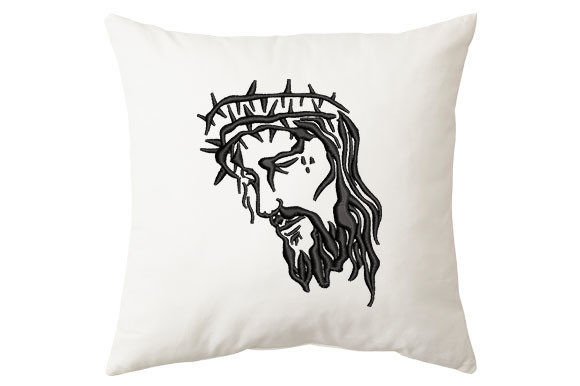
This is where Cross Stitch Pattern PDF Jesus Christ truly shines. A pillow cover featuring this design becomes a centerpiece for a living room or prayer space. The full coverage stitching creates a rich texture that looks expensive and handmade in the best way. For craft fair booths, displaying one finished pillow sample can draw customers who want a custom order. The 47 thread colors give the design a painterly depth that photographs well for online listings. When taking photos for your Etsy shop, use natural light to capture the thread sheen and dimensional quality.
Fabric Pouches and Small Gifts
Small pouches are quick sellers at markets, but this pattern is too large for most pouch formats. I would not recommend Cross Stitch Pattern PDF Jesus Christ for a zippered pouch or cosmetic bag unless you are willing to use only a cropped section of the design. If you do crop, ensure the composition remains balanced and the face remains the focal point. Otherwise, the design may feel incomplete and lose its impact.
Practical Selling and Production Points
From a booth display perspective, Cross Stitch Pattern PDF Jesus Christ offers strong visual appeal. The detailed shading and recognizable subject matter create an emotional connection with customers. Many shoppers are looking for meaningful gifts for family members, and a religious piece of this quality feels personal and lasting.
One of the most important factors for craft fair success is how well a design photographs. This pattern photographs beautifully due to the high stitch count and color variation. When you create your Etsy listings, include a printable mockup showing the design on a tote bag or pillow. This helps customers visualize the finished product in their own home.
For batch production, consider that this is a full coverage pattern with 47 thread colors. Each piece requires significant stitching time and thread management. This is not a design you can mass produce in a single weekend. Instead, treat it as a premium offering that commands a higher price point. Customers will pay for the time and skill involved.
Design Assets and Digital Embroidery File Considerations
If you plan to sell finished products featuring Cross Stitch Pattern PDF Jesus Christ, confirm the commercial licensing terms before you begin. The product description describes a cross stitch pattern PDF, which typically means it is intended for hand stitching. If you want to convert it into a machine embroidery design for an embroidery file format, you will need to digitize it yourself or verify that the designer allows machine embroidery conversion. Do not assume that a cross stitch pattern can be directly loaded into an embroidery machine. The stitch types and paths are fundamentally different.
For machine embroidery, you will need to work with your digitizing software to create a compatible embroidery file. Pay close attention to stitch density in the facial areas. Too many stitches can cause the fabric to pucker. Use a cutaway stabilizer for best results on most fabrics.
Careful Use Notes for Production
Before you commit to stitching Cross Stitch Pattern PDF Jesus Christ for your booth, take these precautions.
- Test on scrap fabric first. Always stitch a small sample section to confirm thread tension and color accuracy. The 47 DMC colors listed in the design need to be checked against your chosen fabric. A white or cream fabric will make the colors pop, while dark fabric may dull the lighter shades.
- Check thread contrast. The face and robe details rely on subtle shading. If your fabric color is too close to the thread colors, the design will lose clarity. Hold your fabric next to the thread card before you begin.
- Review spacing and hoop size. The design is 240 by 360 stitches. Measure your hoop capacity before starting. If your hoop is smaller than the design, you will need to split the design into multiple hoops or choose a larger machine.
- Inspect stitch density. Full coverage patterns can have areas of very dense stitching. This can cause fabric distortion, especially on lightweight materials. Use a high-quality stabilizer and consider a water-soluble topping for textured fabrics.
- Create at least one real mockup. Do not rely solely on digital previews. Stitch one complete product and display it in your booth. Customers want to see the actual texture and finish. A real mockup also helps you photograph the product accurately for your Etsy shop.
- Compare fabric colors. The same design on a natural linen tote will look different than on a black velvet pillow. Test multiple fabric options to see which one enhances the design best.
- Confirm commercial licensing. If you plan to sell finished products, make sure the purchase includes commercial rights. Many cross stitch pattern designers restrict commercial use unless you purchase a separate license.
Visual Appeal and Customer Attention
At a craft fair, your booth has only a few seconds to capture a passerby. Cross Stitch Pattern PDF Jesus Christ does that well because the subject is instantly recognizable and emotionally resonant. Customers who are looking for religious gifts will stop and examine the detail. The size of the pattern means it doubles as a display piece that can hang on a booth wall or sit on an easel.
For boutique makers and creative entrepreneurs, this design reinforces a brand built on quality and meaning. It is not a mass-market graphic. It is a serious project for serious stitchers. When you present it in your booth, frame it well and price it to reflect the craftsmanship.
Final Judgment for Craft Fair Readiness
Cross Stitch Pattern PDF Jesus Christ earns a strong recommendation for experienced embroidery designers who have the time and skill to execute full coverage projects. It is best suited for tote bags, pillow covers, and wall art. It performs less well on small products like patches or pouches due to the scale and density of the design.
If you are an Etsy seller or small shop owner looking for a design that stands out in a sea of generic patterns, this one has the potential to become a signature product. Just be prepared for the time investment. Stitch a test piece, check your stabilizer and hoop size, and confirm your license before you go into production. With the right preparation, Cross Stitch Pattern PDF Jesus Christ can be the anchor piece that brings customers to your booth and keeps them talking long after the market closes.