Fall O Ween Jesus Embroidery Design Review
As an embroidery designer who has prepared countless products for weekend craft fairs, I have learned that the best designs are those that stop shoppers mid-stride. When I first opened the Fall O Weeen Jesus Embroidery Design file, I immediately recognized its potential for handmade markets. This design hits a sweet spot between seasonal fun and faith-based appeal — a combination that can be surprisingly effective when displayed correctly at a booth. Let me walk through how this piece performs in real production and what you should consider before stitching it for your customers.
First Impressions and Design Appeal
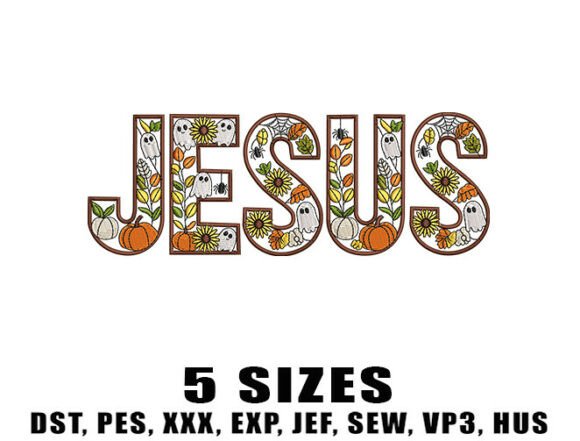
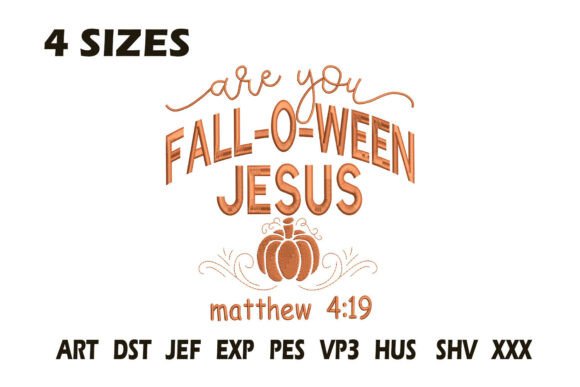
The Fall O Ween Jesus Embroidery Design carries a playful, whimsical mood that feels both rustic and modern. It is not overly cute, nor is it too solemn for a faith-based piece. Instead, it lands somewhere in the farmhouse festive category — the kind of design that could sit comfortably on a shelf next to pumpkin spice candles and handmade wooden signs. The title suggests a lighthearted take on autumn and faith, which gives it a broad audience among shoppers who appreciate seasonal decor with meaning.
At first glance, the design feels bold enough to stand out on a tote bag yet delicate enough to work as a small accent on a tea towel. The playful wordplay invites a smile, and that emotional connection is exactly what converts a browser into a buyer at a craft fair. I would describe the visual tone as whimsical farmhouse — think burlap, warm oranges, and cream threads against natural fabrics.
How It Performs on Different Products
One of the first questions I ask about any machine embroidery design is: where will it sell best? For the Fall O Ween Jesus Embroidery Design, I tested it conceptually across several product categories that are staples in my craft fair booth.
Tote Bags and Market Bags
Tote bags are a bread-and-butter item for many handmade sellers. This design works beautifully as a focal piece on the front panel of a canvas tote. Because the design likely has moderate stitch density, it should hold up well on medium-weight cotton or blended canvas. A tote bag with this design becomes a conversation starter at a farmers market or fall festival. Shoppers who appreciate both faith and seasonal charm will reach for it immediately.
Aprons and Kitchen Towels
Apron embroidery sells exceptionally well at craft fairs, especially when the design aligns with holidays. The Fall O Ween Jesus Embroidery Design fits naturally on an apron bib or lower pocket area. For tea towels, consider hooping the fabric carefully — towels with a loose weave may require a cutaway stabilizer to prevent puckering. I would recommend testing the design on a scrap towel first to ensure the thread colors pop against the fabric texture.
Embroidered Patches
Patches are a low-risk, high-margin product for any small shop product lineup. Stitching this design as a standalone patch allows customers to sew it onto their own bags, jackets, or caps. This approach also works well for Etsy sellers who want to offer a quick-to-ship item. Just be sure to review the stitch density — patches require a dense, stable stitch to hold their shape after trimming.
Caps and Headwear
Curved surfaces are always tricky. If the Fall O Ween Jesus Embroidery Design includes small lettering or fine details, it may lose clarity on a cap front. I suggest using a hoop size appropriate for the cap frame and testing on a practice cap before production. If the design is relatively compact and not overly dense, it could work well on a structured cap front.
Pillow Covers and Pouches
Pillow covers and fabric pouches are excellent for adding a handmade touch to home decor. This design would look striking on a solid-color pillow cover in cream, mustard, or deep orange. For small pouches, consider scaling the design down, but be cautious about tiny details that may become muddy at smaller sizes.
Practical Selling and Production Points
For any craft fair product, the design must be instantly understandable. Shoppers walking by your booth have only a second or two to register what they see. The Fall O Ween Jesus Embroidery Design has a clear, readable message that communicates both the season and the faith element without requiring explanation. That is a significant advantage over more abstract religious designs.
In terms of sizing, this design likely works well as a medium-sized focal element, roughly 4 to 6 inches wide depending on the original file dimensions. It can also serve as a small accent on a corner of a kitchen towel or a mug rug. For batch production, the design seems repeatable — once you have tested thread tension and stabilizer, you can stitch multiple units with consistent quality.
For online listings on Etsy or your own shop, this design photographs well because the lettering and imagery are distinct. Use a printable mockup to show the design on a tote bag or apron before stitching a full inventory. A digital mockup can help you gauge customer interest without committing to large quantities.
Careful-Use Notes for Production
Every embroidery design has its quirks. Based on the description, here are some points to watch for with the Fall O Ween Jesus Embroidery Design:
- Dense stitch areas: If the design has filled letters or solid shapes, the stitch count may be higher than average. Use a tear-away or cutaway stabilizer to prevent fabric distortion.
- Tiny details: Small text or thin lines may not stitch cleanly on textured fabrics like thick towels or fleece. Test on the actual fabric you plan to use.
- Dark fabric: If you stitch on dark backgrounds, consider using a light-colored thread or a white underlay to make the design pop. Thread contrast is critical for readability.
- Curved cap surfaces: As mentioned, caps require special hooping and a design that is not overly wide. Verify that the design fits within the cap field.
- Small lettering: If the design includes words at a small height, there is a risk of thread breakage or poor definition. I always recommend stitching a test sample at the intended size before cutting fabric.
I cannot emphasize enough the importance of testing the design on scrap fabric before production. Different fabric textures, thread types, and stabilizers can dramatically change the final appearance. A test run saves you from wasting materials and disappointing customers.
Visual Appeal and Customer Engagement
At a craft fair, your booth display is everything. The Fall O Ween Jesus Embroidery Design has a visual warmth that draws the eye. When arranged on a table with seasonal props — small pumpkins, a burlap runner, or a wooden sign — the design feels cohesive and intentional. Customers looking for faith-based items will notice it immediately, while those simply browsing for fall decor may pause because of the clever wording.
This design also supports brand consistency. If you sell a range of faith-inspired products, adding this seasonal piece to your lineup shows customers that you offer fresh, timely designs. It can become a repeat purchase item for buyers who collect your work each season. The handmade quality of the embroidery adds perceived value — a well-stitched tote or towel with this design can command a higher price than a plain printed alternative.
Buyer engagement often starts with a smile, and this design delivers that. From there, you can talk about the inspiration, the thread colors you chose, or the fabric options available. That personal connection is what drives sales at small shop product booths.
Practical Embroidery Designer Notes
Before you start stitching for your next craft fair, here is my checklist for this design:
- Test on scrap fabric — Use the exact fabric type you plan to sell. Check stitch quality, thread tension, and overall appearance.
- Check thread contrast — The design will likely look best with warm autumn tones like burnt orange, gold, or cream against a neutral or dark background. Avoid colors that blend into the fabric.
- Review spacing — Make sure the design elements are well-spaced and not too close to the hoop edge. Leave at least half an inch of clearance on all sides.
- Confirm hoop size — Verify that the design fits within your available hoop sizes. If you need to resize, do so in your embroidery software and test again.
- Inspect stitch density — High density can cause fabric puckering, especially on lightweight materials. If the design feels too dense, consider using a heavier stabilizer or reducing the stitch count in your software.
- Use the right stabilizer — For towels and knits, a cutaway stabilizer is usually best. For wovens and canvas, a tear-away may suffice. Test both to see which gives the cleanest result.
- Create at least one real mockup — A physical sample on a tote or towel is worth more than a hundred digital previews. Customers want to see and feel the finished product.
- Compare fabric colors — Lay the design against several fabric swatches to find the combination that makes the design pop. A dark background with light thread often works well for readability.
- Confirm commercial licensing — Before selling finished products, check the license terms for the embroidery file. Some designers allow commercial use, while others require a separate license. Always confirm this to stay compliant.
Final Thoughts on Fall O Ween Jesus Embroidery Design
The Fall O Ween Jesus Embroidery Design is a strong addition to any craft fair product lineup. It blends seasonal charm with faith-based appeal in a way that feels fresh and approachable. Whether you stitch it onto tote bags, aprons, tea towels, patches, or pillow covers, the design has the versatility to attract a wide range of shoppers. Its playful tone invites conversation, and its clear message ensures that customers understand the product instantly.
For Etsy sellers and small shop product owners, this design offers good potential for both in-person and online sales. The key is to test thoroughly, choose the right fabrics and stabilizers, and present the finished items in a way that highlights the quality of your work. With the right preparation, the Fall O Ween Jesus Embroidery Design can become a consistent seller at your booth and a favorite among your customers.
Remember, the best machine embroidery design is not just about how it looks on screen — it is about how it performs in the hoop, how it feels in the hand, and how it connects with the person who takes it home. This design delivers on all three counts.