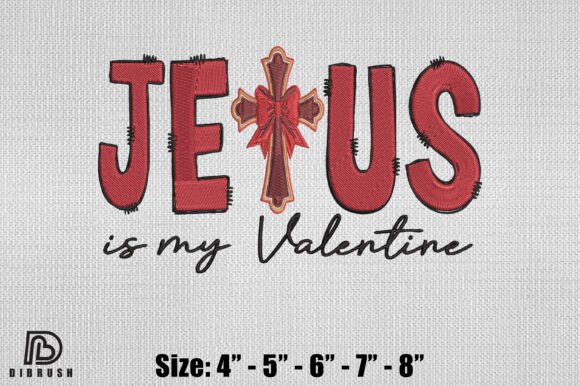
Jesus Valentine Embroidery Design: A Stitcher's Honest Take
When I first opened the Jesus Valentine Embroidery Design, I was curious how a faith-based theme would translate into a Valentine's Day project without feeling forced. After stitching it out on several fabric types and testing it across a few product ideas, I can say this design brings a thoughtful, balanced presence to any embroidery project where you want to combine seasonal sweetness with spiritual meaning. The layout is clean, the detail level is approachable for intermediate machines, and the overall mood lands somewhere between heartfelt and reverent. It is not a loud, cartoonish Valentine motif. It is quieter, more intentional, and that is exactly what makes it work for custom apparel, personalized gifts, and small shop merchandise.
Whether you are stitching for your own handmade product line or filling a customer order, this embroidery file deserves a close look before you commit thread to fabric. Let me walk through what I found during my test runs, where this design shines, and where you need to be careful.
First Stitch Impressions: Where Faith Meets Valentine Style
The Jesus Valentine Embroidery Design carries a gentle, worshipful mood that still reads clearly as a Valentine-themed piece. The lettering and imagery avoid being overly ornate, which is a relief because dense decorative details can muddy the message on smaller products. The stitch density feels moderate, not too heavy, not too sparse. That matters when you are stitching onto items like baby embroidery projects or lightweight tea towels where too much thread weight can pucker the fabric.
Visually, the design leans on recognizable Valentine symbols like hearts and crosses, arranged in a way that feels cohesive rather than cluttered. The satin stitch areas are well-defined, and the fill stitch sections offer enough coverage to look solid without becoming stiff. For an applique design conversion, this could also work if you prefer to layer fabric instead of dense stitching. The personality is warm, sincere, and suitable for a wide range of recipients from grandmothers to young children receiving a faith-filled holiday gift.
Real Project Prep: Testing Jesus Valentine Embroidery Design on a Custom Tote
For my first real run, I chose a mid-weight cotton tote bag. Tote bags are a staple in my craft business, and they reveal a lot about how a design handles open space, fabric movement, and stabilizer choice. I hooped the bag with a tear-away stabilizer and used a medium weight fusible backing to keep the fabric from shifting during stitching.
The design stitched out cleanly. The running stitch outlines came through sharp, and the satin stitch borders had good edge definition. I did notice that the smaller lettering required a fresh needle and properly tensioned thread to avoid any skipped stitches. If your machine tends to struggle with intricate details, run a test on scrap first. The thread colors I chose were a deep red for the hearts and a soft gold for the lettering, which gave the tote a warm, premium feel. Customers at a craft fair would recognize the quality immediately.
One thing I appreciated is that the design does not rely on excessive stitch density to create visual impact. That makes it more forgiving on medium-weight fabrics like twill, canvas, and cotton blends. If you are a small shop product maker looking to add a Valentine option to your lineup, this design is a strong candidate for totes, aprons, and sweatshirt embroidery projects.
Performance Across Fabric Types and Product Categories
After the tote bag test, I moved on to a few other common substrates. On a cotton sweatshirt, the Jesus Valentine Embroidery Design held its shape well. Sweatshirt fleece can swallow fine details if the design is too delicate, but this one has enough body in the stitches to stay legible. I used a cut-away stabilizer for the sweatshirt to prevent distortion over time, especially since fleece moves during washing.
On a linen tea towel, the design was crisp and elegant. Linen has a loose weave, so I used a water-soluble stabilizer on top to keep the stitches from sinking into the fabric. The result was a high-end handmade product that would sell well in a boutique or on Etsy. For baby embroidery projects like onesies or receiving blankets, the design is small enough to fit a standard 4x4 hoop, but I recommend testing the lettering size on a scrap onesie first. Baby fabrics are soft and stretchy, and tiny details can pull if the stabilizer is not firm enough.
For embroidered patch projects, this design works nicely. Patches need a dense, stable stitch structure so the edges hold up during trimming and sewing onto bags or jackets. The fill stitch areas provide enough coverage for a patch base, and the design's clean outline makes cutting easy. If you sell digital embroidery file products on your site, this design is versatile enough to offer as both a direct-stitch file and a patch-ready option.
I also tested it on a cap using a curved hoop. Caps are tricky because of the seam at the front and the curved surface. The design handled the curve reasonably well, though the small lettering near the edges did require careful hooping and a cap frame. If you are new to cap embroidery, practice on a cheap cap first.
Where to Place This Design Carefully
No design is perfect for every surface, and the Jesus Valentine Embroidery Design has a few areas where you need to be cautious. The detailed corners and any tiny lettering elements are the first things I would worry about when working with small hoop sizes. If your hoop is under 4x4, check whether the design scales down cleanly. Some machine embroidery design files lose stitch quality when resized too small, especially if they include narrow satin columns.
Textured fabrics like sherpa, thick fleece, or heavy sweaters can also be problematic. The design has enough density to sit on top of moderate textures, but deep pile fabrics will obscure the fine details. Stick to smooth or lightly textured materials for the best result. Thin fabric like voile or lightweight rayon needs extra stabilizer to avoid show-through and puckering. I would not stitch this design on a sheer fabric without a full coverage backing.
Stretchy fabric like jersey knit or spandex blends requires a sticky stabilizer or a spray adhesive to keep the fabric from distorting. The design's moderate density helps, but stretchy materials can still shift during stitching if not properly prepared. Dark fabric backgrounds are fine as long as your thread colors have enough contrast. Gold and white thread will pop nicely on dark tones. Red on black, however, may lose readability if the red is too dark. Test your thread against the fabric color before committing.
Layered garments like jackets with multiple fabric panels or thick seams can cause registration issues if the design crosses a seam. Plan your placement carefully. If the design lands on a seam, the needle may skip or break. Curved surfaces like caps also demand attention. Keep the design centered and within the front panel area to avoid distortion over the cap seams.
Finally, for products that need frequent washing like kitchen towels or children's clothing, use a high-quality polyester thread and a cut-away stabilizer. This reduces fraying and keeps the stitches intact through repeated laundering.
How This Design Affects Product Value and Customer Perception
In my experience running a small business and selling on Etsy, the difference between a product that sells and one that sits on the shelf often comes down to how the embroidery looks up close. The Jesus Valentine Embroidery Design delivers a level of stitching clarity that builds customer trust. When buyers see sharp edges, even fills, and no loose threads, they perceive the item as high-quality and worth the price.
This design also has strong giftability. A tote bag, pillow cover, or sweatshirt featuring this motif feels personal without being overly sentimental. It works as a personalized gift for a church group, a family member, or a friend who appreciates faith-based decor. The brand consistency it offers is another plus. If you run a craft business that focuses on Christian themes, adding this design to your product line reinforces your shop's identity and helps with buyer engagement.
For commercial embroidery projects, this design is subtle enough to appeal to a broad demographic. Church gift shops, school fundraisers, and holiday markets are natural sales channels. The design also works well in printable mockup photos for your online store. A clean, well-stitched sample photographed on a neutral background will attract more clicks than a generic stock image.
Practical Notes Before You Stitch
Before you load this digital embroidery file into your machine, here are the steps I recommend based on my testing. First, always test the design on scrap fabric that matches your final product's weight and texture. This is not optional. You will catch tension issues, thread breaks, and sizing problems before they ruin a good piece of fabric.
Check thread color contrast against your fabric. A light design on a light background will be hard to read. Similarly, dark thread on dark fabric disappears. Use a color wheel or simply hold your thread spools against the fabric to judge visibility.
Review stitch density in your software if possible. If the design feels too dense for your fabric, consider using a lighter stabilizer or reducing the density slightly. Confirm hoop size before you start. The design may require a specific hoop dimension to stitch properly, and forcing it into a smaller hoop will clip details or cause misalignment.
Inspect small details closely. If any lettering or fine lines look questionable in the digital preview, they will likely look worse in thread. Test it in black and white mockups to see how the design reads without color distracting you. This helps you evaluate the layout and proportion objectively.
Compare light and dark fabric backgrounds in your tests. A design that looks perfect on white cotton may need thread color adjustments on navy or black. Use proper stabilizer for your fabric type. Tear-away for stable fabrics, cut-away for knits and stretchy materials, and water-soluble for delicate or loose-weave fabrics.
Finally, confirm licensing before you use this design for commercial embroidery or sell finished products featuring it. Some embroidery file sellers restrict commercial use or require a separate license. The same applies if you plan to sell digital product versions or design assets based on this motif. Check the terms so you stay compliant and protect your business.
The Jesus Valentine Embroidery Design offers a sincere, well-constructed option for your Valentine's Day embroidery project lineup. It stitches cleanly on a variety of fabrics, suits both personal and commercial use, and carries a mood that resonates with faith-minded customers. With proper testing and fabric preparation, this design can become a reliable part of your seasonal offerings for years to come.