Nativity Machine Embroidery Design: A Designer's Review
As someone who has spent years behind a commercial machine and sold thousands of embroidered pieces at weekend craft fairs, I approach every machine embroidery design with a practical eye. When I opened the Nativity Machine Embroidery Design set, I was immediately struck by its classic, reverent styling. This is not a cutesy or overly modern interpretation—it carries a rustic, farmhouse-appropriate elegance that feels both festive and timeless. For any embroidery file meant to become a craft fair product, first impressions matter, and this one lands with a quiet, premium confidence.
First Impressions and Visual Mood
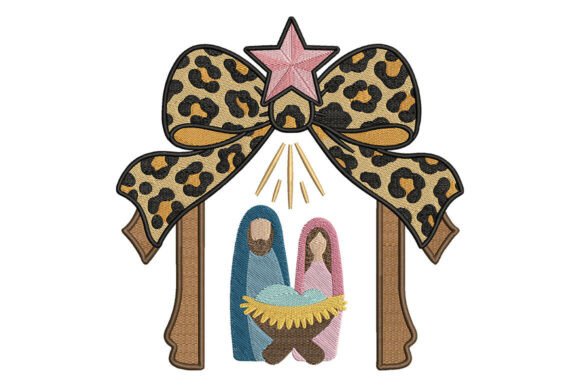
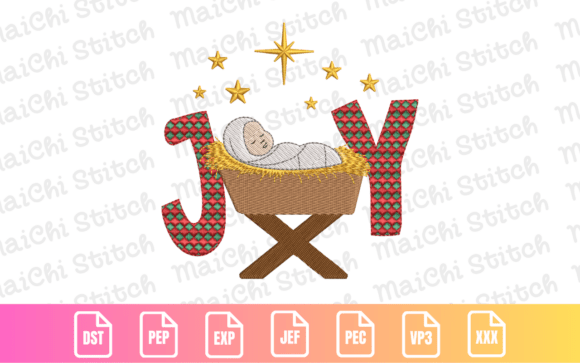
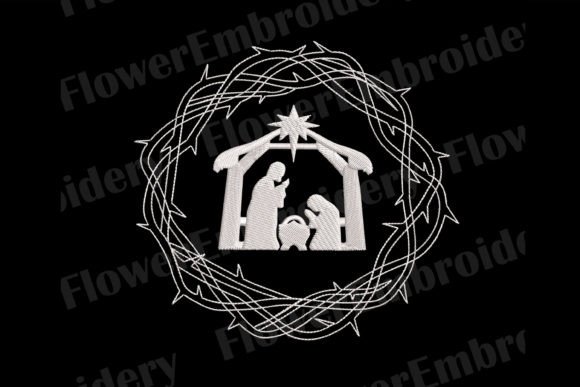
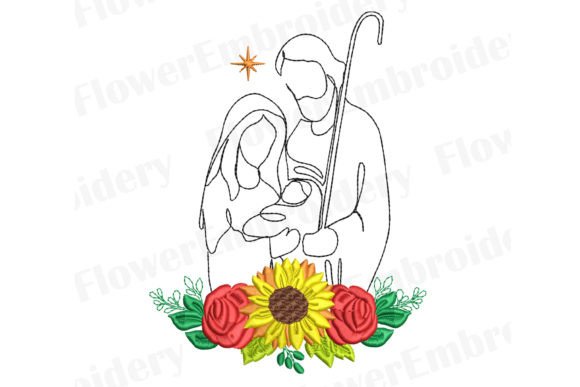
The Nativity Machine Embroidery Design reads as a decorative and detailed piece. Jesus in the manger, Mary, Joseph, and the angel are clearly defined without being cluttered. The linework and shading feel intentional—not so dense that it overwhelms a handmade product, but detailed enough to command attention on a booth table. I immediately pictured it on a cream linen tea towel or a natural canvas tote. The aesthetic leans farmhouse with a touch of premium—exactly what sells well at holiday markets where customers want something that feels both meaningful and well-crafted.
How It Performs on Popular Products
Before I commit a machine embroidery design to production, I mentally run through every product I plan to stock. Here is how the Nativity Machine Embroidery Design holds up across my typical craft fair lineup.
Tote Bags and Market Bags
This design is a natural fit for a tote bag design. The composition works as a centered focal piece on a standard 12-inch tote front. On natural cotton or canvas, the thread colors pop without fighting the fabric. I would pair it with a dark green or burgundy bag for contrast, or keep it neutral with ecru thread on oatmeal canvas for a subtle, sophisticated look. Customers gravitate toward these as giftable carryalls during the holiday season.
Aprons and Tea Towels
For apron embroidery, the design sits beautifully on a chest pocket or centered below the bib. It is not too tall, so it does not get lost in the apron shape. On tea towel embroidery, it becomes a statement piece. I would recommend a generous hoop size—likely a 5x7 or larger—so the figures retain their clarity. The details in Mary's robes and the angel's wings translate well on flat, stable fabric. These are high-margin handmade product items that photograph beautifully for Etsy seller listings.
Embroidered Patches and Fabric Pouches
As an embroidered patch, this design could sell individually or sewn onto bags and hats. The figures hold together well, though I would check the stitch density before committing to a patch format—dense areas can cause puckering on twill. For small zippered pouches, the design works as a front-center motif. It adds perceived value quickly, making pouches feel like a premium small shop product rather than a filler item.
Caps and Pillow Covers
Caps are tricky for any detailed machine embroidery design. The curve of the front panel means dense stitching can distort. I would test the Nativity Machine Embroidery Design on a curved surface before running a batch. If it fits within a 4x4 hoop and the details remain crisp, it could work as a subtle cap design. For pillow covers, this design shines. It creates a seasonal accent piece that customers want to display every December. A 12x12 or 14x14 pillow with this design centered is a guaranteed attention-grabber on a booth table.
Selling and Production Practicalities
From a selling standpoint, the Nativity Machine Embroidery Design is easy for customers to understand at a glance. There is no confusion about the subject—it is immediately recognizable and emotionally resonant. That clarity translates to faster purchase decisions at a craft fair product table. In my experience, designs that tell a clear story in one glance outsell abstract or overly busy motifs by a wide margin.
For batch production, this design feels repeatable. The thread changes are manageable—likely a handful of colors—and the stitch path appears logical. I would recommend stitching one full test on scrap fabric before running a dozen units. Check your hoop size and ensure the design fits your commercial machine's capacity. If you are a digital embroidery file seller offering this to customers, include clear size guidance so they can plan their own finished product.
Photography for online listings is straightforward. On a natural-colored tea towel or tote, the design photographs well in natural light. The thread sheen and dimensional quality of thread colors against fabric create an appealing texture that sells itself. Use a printable mockup of the design on a lifestyle photo to show scale and placement. Customers shopping for Christmas gifts want to imagine the item in their home or as a gift for someone special.
Careful-Use Notes from the Studio
No machine embroidery design review is complete without honest notes on potential pitfalls. Here is what I flagged during my test run.
- Stitch density: Some areas, particularly the angel's wings and the manger details, are dense. On thick fabrics like terry towels or fleece, this can cause the design to feel stiff. Use a medium-weight cutaway stabilizer for best results. On lightweight fabric, consider reducing density in your software if the embroidery file allows.
- Tiny details and small lettering: If the design includes very small text or thin lines, be cautious about shrinking it below the recommended hoop size. At smaller sizes, those details may lose clarity. I would keep this design at a minimum of 4x4 or larger.
- Cap curve: As mentioned, curved surfaces can distort dense areas. If you plan to sell this as a cap design, test one on a scrap cap before committing to a run.
- Dark fabric: Light thread colors on dark fabric can show gaps if the stitch density is not tight. Use a white or light-colored bobbin thread and consider a light underlay or a layer of sulky film to prevent dark fabric from showing through.
- Textured fabric: On towels or fleece, the design may need a topper or water-soluble stabilizer to keep the stitches crisp on top of the nap.
Visual Appeal, Customer Attention, and Value
The Nativity Machine Embroidery Design has strong visual appeal because it taps into a universal holiday narrative. Customers walking past a booth will stop when they see a familiar, beautifully stitched scene. It feels festive without being garish, and decorative without being fussy. In a world of mass-produced holiday decor, this handmade product stands out because of the embroidery detail. The dimensional quality of stitches adds warmth that screen printing or heat transfer cannot match.
From a brand consistency perspective, this design fits a farmhouse, rustic, or traditional booth aesthetic. If your brand leans modern or minimalist, consider stitching it in monochrome (all white or all gold thread) for a cleaner look. If your brand is cozy and classic, use the full thread palette as designed.
Booth display strength is where this design truly delivers. A pillow with this design on a stand, a tote draped over a table edge, and a tea towel hung on a small rack—each piece reinforces the others. Customers see the theme repeated and perceive a cohesive small shop product line. That builds trust and encourages multiple purchases.
Practical Designer Notes Before Production
Before you turn this digital embroidery file into a finished product, here is my studio checklist:
- Test the design on scrap fabric that matches your final product weight. Check for tension issues, thread breaks, or gaps.
- Review thread colors against your fabric color. A high-contrast palette (dark fabric with light thread, or vice versa) will maximize visual impact from across a booth.
- Confirm your hoop size. Do not force the design into a hoop that is too small; ensure at least 1 inch of clearance on all sides for proper tension.
- Inspect stitch density. If the design feels too stiff for a particular product, adjust in your software or choose a different product for that item.
- Use the right stabilizer. For tote bags and towels, cutaway is standard. For caps, use a stiff cutaway with a backing layer.
- Create at least one real mockup. Photograph the actual stitched piece, not just a printable mockup. Customers respond to real textures and thread sheen.
- Compare fabric colors. White thread on cream fabric may disappear. Test a few color combos to find the most striking contrast.
- Confirm commercial embroidery licensing. If you are selling the finished product, ensure the embroidery file license allows commercial use. Check the terms before listing on Etsy seller platforms.
Final Verdict for Craft Fair Sellers
The Nativity Machine Embroidery Design is a reliable, beautiful addition to a holiday product line. It works across multiple substrates, appeals to a wide demographic, and carries emotional weight that drives sales. Whether you are stitching it onto tote bag design projects, tea towel embroidery, pillow covers, or embroidered patch sets, this machine embroidery design earns its place in your booth.
For any embroidery business owner, handmade shop owner, or Cricut and embroidery crafter, this design asset is worth the hoop space. Pair it with quality materials, thoughtful stabilizer choice, and careful thread contrast, and you have a product that customers will pick up, hold, and buy. That is what weekend craft fair success looks like.