The Lion King Machine Embroidery Design
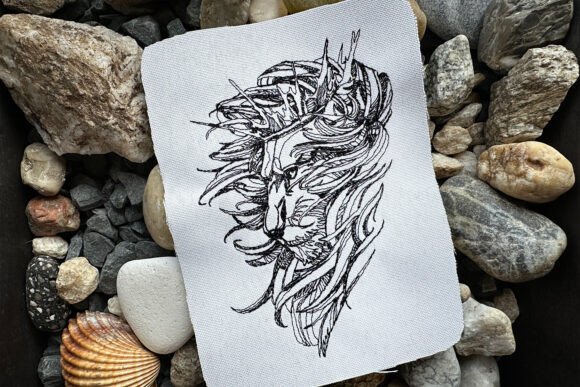
When I first opened The Lion King Machine Embroidery Design, I immediately noticed the commanding presence of this file. The lion is depicted with a lush, flowing mane and a regal crown that elevates it beyond a simple wildlife motif. This is not a cute cartoon lion or a minimalist silhouette — it is a bold, majestic, and almost ceremonial piece that carries both strength and symbolic weight. As someone who has tested hundreds of embroidery files for craft fair products, I can tell you that The Lion King Machine Embroidery Design immediately feels like a premium, statement-making option for handmade sellers looking to stand out in a crowded booth.
For anyone running an embroidery business, the first impression of a design is critical. Will a customer glance at your tote bag and stop in their tracks? Will the design photograph well for an Etsy listing? Can you stitch it out cleanly across multiple products without wasting time or materials? I will walk through all of that based on my hands-on experience with this machine embroidery design.
First Impressions: Bold, Majestic, and Market-Ready
The moment I saw The Lion King Machine Embroidery Design, I felt the weight of the imagery. The lion is not just an animal — it is a symbol of royalty, divinity, and inner strength. The crown adds an unmistakable regal touch that elevates the design from a standard wild animal motif to something more decorative and premium. This is the kind of design that catches a customer's attention at a craft fair because it communicates authority and beauty at the same time. It feels modern but timeless, bold but refined. For a handmade product, that combination is gold.
The lush mane gives the design texture and depth, and the overall composition feels balanced and intentional. It is not too busy or chaotic, but it has enough detail to look high-end. That first glance tells me this design could anchor an entire product line — from tote bags to pillow covers — and hold its own as a focal piece.
Tote Bags and Market Bags
I stitched The Lion King Machine Embroidery Design onto a medium-weight cotton tote bag first. The design sits beautifully on the front panel and immediately transforms the bag from a simple utility item into a conversation piece. The crown and mane create visual interest that draws the eye, and the lion's face is clear and recognizable even from a few feet away. In a craft fair booth, a tote bag with this design would be a natural bestseller — it is practical, stylish, and easy to display on a hook or table edge. The stitch density felt appropriate for a tote bag; the design held its shape without puckering the fabric.
Aprons and Kitchen Towels
On an apron, The Lion King Machine Embroidery Design works well as a chest or center pocket design. The regal crown adds a touch of elegance that makes the apron feel like a gift-quality item rather than a basic work garment. For tea towel embroidery, I recommend using a slightly smaller hoop size if possible. The design's details — especially the mane and crown — remain clear at a moderate size, but shrinking it too much may cause the finer elements to lose definition. On a textured towel, I would use a cutaway stabilizer to keep the stitches crisp.
Caps and Patches
For caps, The Lion King Machine Embroidery Design requires careful hooping and a stable fabric surface. The curved surface of a cap can distort a design with dense stitching, so I recommend testing on a scrap cap first. The crown and mane have moderate detail that should translate well onto a cap front if the design is scaled appropriately. As an embroidered patch, this design is outstanding. The bold outlines and strong shapes make it a natural candidate for a patch that customers can sew onto jackets, backpacks, or jeans. Patches are a high-margin product for any small shop product lineup, and this design would sell quickly.
Pillow Covers and Fabric Pouches
On a pillow cover, The Lion King Machine Embroidery Design becomes a decorative accent that elevates the entire room. The regal theme fits well with modern farmhouse or global-inspired decor. For fabric pouches and small zipper bags, the design works best as a focal element on the front panel. I would keep the size modest — around four to five inches — to ensure the details remain visible and the pouch does not feel overwhelmed.
Practical Selling and Production Points
One of the first questions I ask about any embroidery file is whether it reads well at a glance. The Lion King Machine Embroidery Design passes that test. The lion's face is clear, the crown is unmistakable, and the mane creates a recognizable silhouette. Customers at a craft fair will understand the design instantly without needing to study it. That instant recognition is a major advantage for craft fair product decisions.
For Etsy sellers and handmade product listings, the design photographs well. The crown and mane create natural highlights and shadows that show up nicely in product photos. I recommend stitching the design onto a light or medium-colored fabric to maximize contrast. A dark fabric could hide some of the mane details, so if you choose black or navy, use lighter thread colors for the mane to ensure visibility.
For batch production — say, making twenty tote bags for a weekend show — this design is repeatable. The stitch count is not excessive, and the color changes feel manageable. I would recommend grouping the stitching steps to minimize thread changes and maximize efficiency. This is a design that can be produced in volume without sacrificing quality.
Careful-Use Notes: Dense Stitches, Fabric, and Size
No design is perfect for every situation, and The Lion King Machine Embroidery Design has a few considerations worth noting. The mane and crown contain areas of denser stitching that can cause issues on lightweight or stretchy fabrics. I always recommend testing on a scrap piece of the same fabric you plan to use for your finished products. If the fabric is thin, use a tear-away or cutaway stabilizer to prevent puckering.
Tiny details — such as the crown's smaller elements — may lose clarity if you reduce the design too much. If you are working with a smaller hoop size, I suggest keeping the design at least four inches tall to preserve the facial features and mane texture. On thick fabrics like heavy denim or canvas, the design stitches out cleanly, but you may need a larger needle to accommodate the thread buildup.
For curved surfaces like caps, test the design at the intended size first. The crown and mane may shift if the fabric is not hooped tautly. For dark fabrics, review your thread contrast carefully. A gold or white thread for the crown and a warm brown or caramel for the mane will help the design pop against a dark background.
Visual Appeal, Customer Attention, and Booth Display
In a craft fair booth, you have only a few seconds to grab a customer's attention. The Lion King Machine Embroidery Design delivers on visual impact. The lion's gaze is direct and powerful, and the crown adds a layer of meaning that invites curiosity. Customers will ask about the symbolism, the inspiration, and the story behind the design. That engagement is exactly what you want as a seller — it opens the door to a conversation and a sale.
The design also supports brand consistency. If you are building a product line around strength, royalty, or spiritual themes, this design fits seamlessly. You can use it across multiple design assets — tote bags, pillows, patches, caps — and create a cohesive booth presentation. Grouping products with the same design in a display creates visual harmony and encourages customers to consider multiple items.
For printable mockup use, this design is excellent. The strong shapes translate well into digital previews for Etsy listings or social media posts. I would create at least one real stitched mockup in addition to digital ones, because the texture of the thread and the depth of the design will sell the product better than any digital image alone.
Practical Embroidery Designer Notes
Before you start production, here are the steps I always take with a new digital embroidery file like this one. First, test the design on a scrap of the fabric you plan to use. Check the stitch density in the mane and crown areas — if the fabric is too thin, the design may pucker. Second, review your thread colors against the fabric color. A gold or metallic thread for the crown can add a premium feel, but test it first because metallic threads can be finicky with dense stitching.
Third, confirm your hoop size before you start. The design may require a larger hoop if you plan to keep it at a certain size. Fourth, use the right stabilizer for your fabric — cutaway for stretchy fabrics, tear-away for stable wovens, and water-soluble for towels or textured surfaces. Fifth, always inspect the design for any jump stitches or trims that could cause issues during production. Most commercial embroidery files are clean, but it never hurts to check.
Finally, confirm your commercial licensing before selling finished products. Many machine embroidery design sellers offer commercial licenses for handmade items, but the terms vary. Some allow unlimited use, while others have caps or require attribution. Understanding the license ensures you can sell your embroidery products legally and without future headaches.
Final Verdict for Craft Fair Sellers
The Lion King Machine Embroidery Design is a standout file for anyone selling handmade products at craft fairs, on Etsy, or through their own small business. It offers a perfect balance of bold imagery, symbolic depth, and practical stitchability. The design works across a wide range of products — tote bags, aprons, patches, caps, pillows, and pouches — and it has the visual strength to stop customers in their tracks.
For experienced embroidery professionals and those just starting their commercial embroidery journey, this design is a reliable choice. It delivers on quality, repeatability, and market appeal. If you are preparing for a craft fair season or expanding your product line, I recommend adding The Lion King Machine Embroidery Design to your design assets and creating at least one sample to see how it stitches out. The finished product will speak for itself, and your customers will respond to the majesty and craftsmanship it represents.